
Funding
National Heart, Lung, and Blood Institute
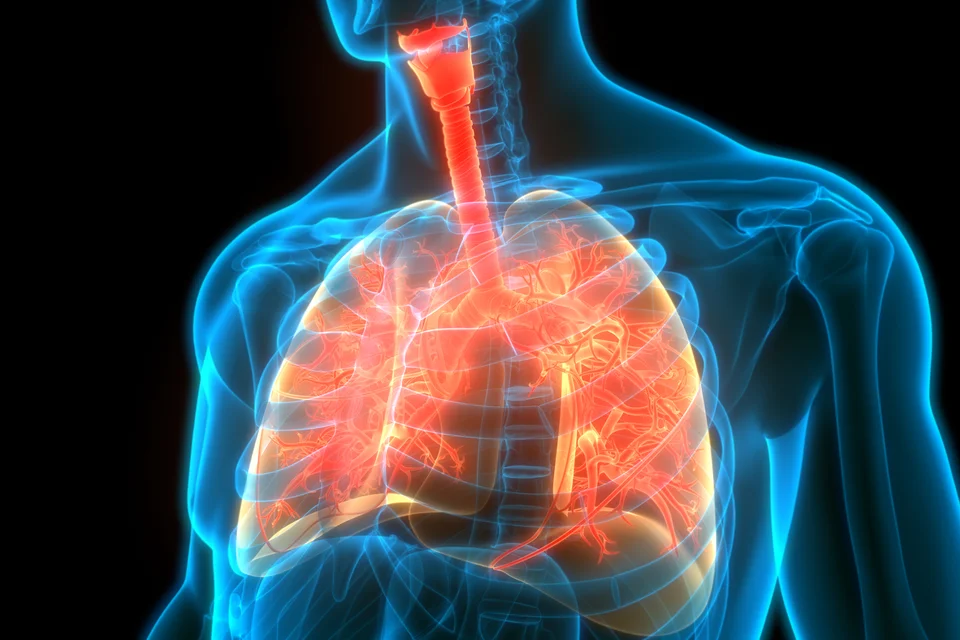
Improving COPD Outcomes: Using Real-World Data to Analyze Treatment Effectiveness, Safety, and Adherence.
This grant investigates the comparative effectiveness and safety of therapies for chronic obstructive pulmonary disease (COPD) using large, longitudinal healthcare databases. The overarching goal is to supplement existing data from randomized controlled trials to refine treatment strategies for COPD and improve clinical outcomes.
Food and Drug Administration
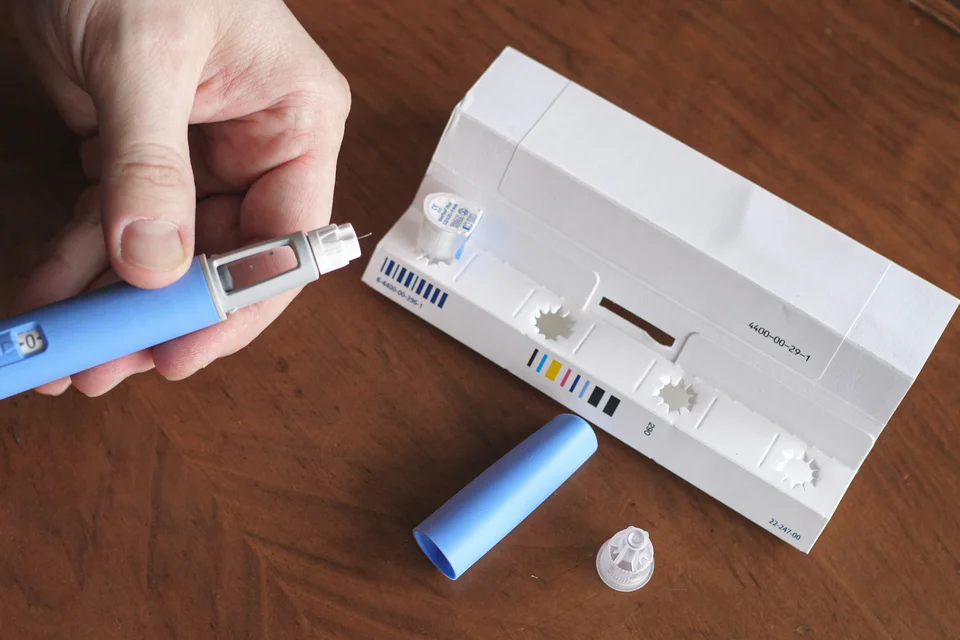
The Safety of Switching Between Complex Branded and Generic Drugs: Developing a Semi-Automated Sequential Surveillance System Using Tree-Based Scan Statistics
This grant is developing a principled, scalable, and reproducible approach for rigorous and timely evaluation of the safety and effectiveness of generic drug-device combinations compared to brand-name reference products using large longitudinal healthcare datasets. We are demonstrating this approach for generating multi-phase actionable real-world evidence in 2-3 use cases, including description of utilization patterns, evaluation of comparative effects, and systematic screening for unsuspected safety issues. This project will provide the Food and Drug Administration with a reusable framework and set of tools for generating real-world evidence to evaluate complex generic drugs in the post-marketing setting.
Arnold Ventures

Evaluating the FDA's 505(b)(2) Pathway: Approval Patterns, Patenting Strategies, and Opportunities for Reform
The FDA's 505(b)(2) pathway offers manufacturers a middle ground between traditional brand-name and generic approvals. It allows companies to bring reformulations to market by relying, in part, on existing evidence of safety and effectiveness, without necessarily meeting the standards required for generic substitutability. This pathway can encourage valuable innovations, including new indications and easier-to-use formulations for patients. But it can also be a vehicle for strategic gaming--with small modifications to existing products that support new patents while adding little clinical value. This project studies how the 505(b)(2) pathway shapes innovation, competition, and patient access, while identifying opportunities for policy reform.
National Heart, Lung, and Blood Institute
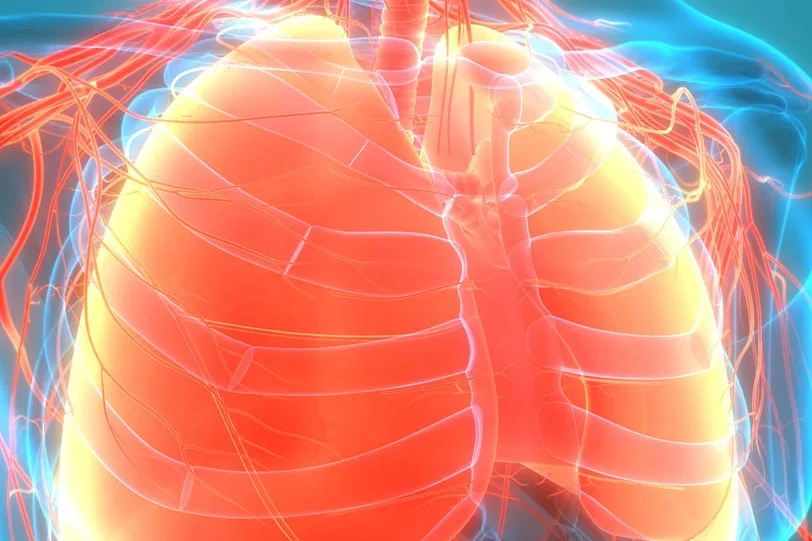
Network Proximity-Based Drug Repurposing in COPD
Drug repurposing has the potential to expand treatment options for patients in an efficient and cost-effective manner. Yet, the path to drug repurposing is often one of serendipity rather than systematic evaluation and testing. This project uses advanced genetics- and network-based approaches to identify existing medications that might be repurposed for chronic obstructive pulmonary disease (COPD) and evaluates the effectiveness of these drug candidates using large healthcare claims databases. This research aims to inform future clinical trials and improve the management of chronic lung disease.