
Publications
Annals of Internal Medicine

The Legal Battle Over Mifepristone and the Future of FDA Regulation
Tu SS, Grossman LA, Feldman WB | October 13, 2026
Ongoing litigation over mifepristone has raised fundamental questions about the authority of federal courts to second-guess FDA drug approval decisions, with implications that extend well beyond reproductive medicine. The authors argue that the case sets a dangerous precedent for FDA regulatory autonomy and that Congress should act to clarify the limits of judicial review over agency scientific determinations.
Journal of Law and Medical Ethics

Delisted Patents on Pharmaceuticals, 1998–2024
Kirby-Rivera L, Feldman W, Kim M, Kosmopoulou G, Kesselheim AS, Tu SS | October 2, 2026
When courts or the FTC determine that a patent has been improperly listed in the FDA's Orange Book, manufacturers can be required to delist it—but the authors found that delisting is rare, inconsistent, and often only partial. The findings highlight a gap in enforcement that allows questionable patents to block generic competition even after legal challenges succeed.
JAMA
Patents on Small-Molecule Drugs Approved by the US Food and Drug Administration, 1990–2019
Tu SS, Freeman N, Teng TW, Feldman WB, Kesselheim AS, Parton J, Wouters OJ | September 28, 2026
The authors conducted a comprehensive analysis of all patents listed in the Orange Book for small-molecule drugs approved by the FDA between 1990 and 2019, characterizing how patent portfolios have grown in size and complexity over time. The data provide a longitudinal picture of pharmaceutical patenting practices and their relationship to delayed generic entry.
American Journal of Respiratory and Critical Care Medicine
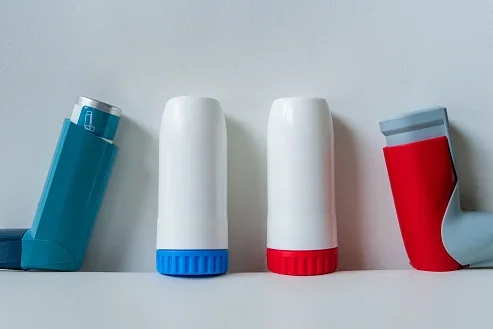
Low greenhouse gas emitting propellants: a new era for metered-dose inhalers
Sadreameli SC, Radbel JM, Feldman WB | September 9, 2026
New low-global-warming-potential propellants are beginning to replace the hydrofluoroalkane propellants used in current metered-dose inhalers, which account for the vast majority of inhaler-related greenhouse gas emissions. The authors argue that as these newer formulations launch, policymakers and payers must ensure they are priced affordably so that the environmental transition does not leave patients with cost-related access barriers.
JAMA Dermatology

Budget Impact Analysis of Gene Therapies for Recessive Dystrophic Epidermolysis Bullosa
Raymakers AJN, Kesselheim AS, Feldman WB | September 9, 2026
Two gene therapies are now approved for recessive dystrophic epidermolysis bullosa—beremagene geperpavec, a recurring weekly therapy costing $657,000 per year, and prademagene zamikeracel, a one-time therapy priced at $3.1 million—and the authors model the 5-year and lifetime budget impact of each for payers. The analysis highlights that while the one-time therapy has a higher upfront cost, it may be less expensive over a patient's lifetime, with implications for how payers structure coverage and negotiate payment models for high-cost gene therapies.
Nature Biotechnology

Pharmaceutical products with device-only patents: a cross-sectional analysis
Feldman WB, Teng TW, Kotrannavar S, Tu SS | September 2, 2026
A cross-sectional analysis of the FDA's Orange Book found a substantial number of drug-device combination products protected exclusively by device patents—meaning no patent on the active ingredient—with these device-only patents extending market exclusivity for a median of 17 years after FDA approval. The findings raise concerns that device patents are being used to block generic competition long after the underlying drug's core intellectual property has lapsed.
JAMA Network Open
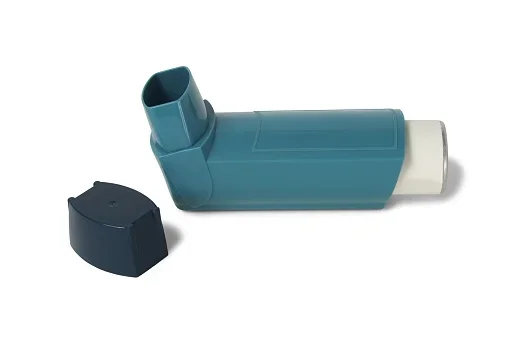
Climate Impact of Inhaler Formularies
Feldman WB | September 1, 2026
This commentary examines how formulary design decisions—which inhalers insurers cover and at what cost-sharing levels—shape the mix of metered-dose versus dry powder inhalers prescribed, with major downstream consequences for greenhouse gas emissions. The author argues that payers have an underappreciated lever to reduce the climate impact of inhaler prescribing without compromising patient care and calls for emissions to be incorporated into formulary decision-making.
BMJ

Comparative effectiveness of azithromycin versus roflumilast in patients with chronic obstructive pulmonary disease: emulated target trial
Portela GT, Wang SV, Suissa S, Schneeweiss S, Feldman WB | August 5, 2026
Using a decade of nationwide insurance claims and a target trial emulation framework, patients with COPD who started maintenance azithromycin had a 17% lower risk of first moderate or severe exacerbation than those who started roflumilast. The findings provide the first real-world head-to-head comparison of these two guideline-recommended therapies while a randomized trial remains ongoing.
Health Affairs Scholar

Ten high-priority areas for health policy research in 2026–2027
Figueroa JF, Adler L, Feldman WB, et al. | July 2026
Health Affairs Scholar editors identified ten areas—spanning drug pricing, access, and health equity—most in need of rigorous research over the next two years, to help focus investigator attention and funding toward questions with the greatest policy relevance.
JAMA Internal Medicine

Delisting of Pharmaceutical Patents Challenged by the Federal Trade Commission
Leon J, Tu SS, Kesselheim AS, Feldman WB | May 11, 2026
Beginning in 2023, the FTC challenged 197 device-only patents across 34 drug products as improperly listed in the FDA's Orange Book, and the authors tracked what happened: 90% were ultimately delisted by manufacturers, and for more than half of the affected products, delisting shortened expected patent protection by a median of 17–22 years. The findings demonstrate that FTC enforcement can be an effective tool for accelerating generic entry, though compliance was uneven and several major manufacturers initially refused to delist.
JAMA Network Open
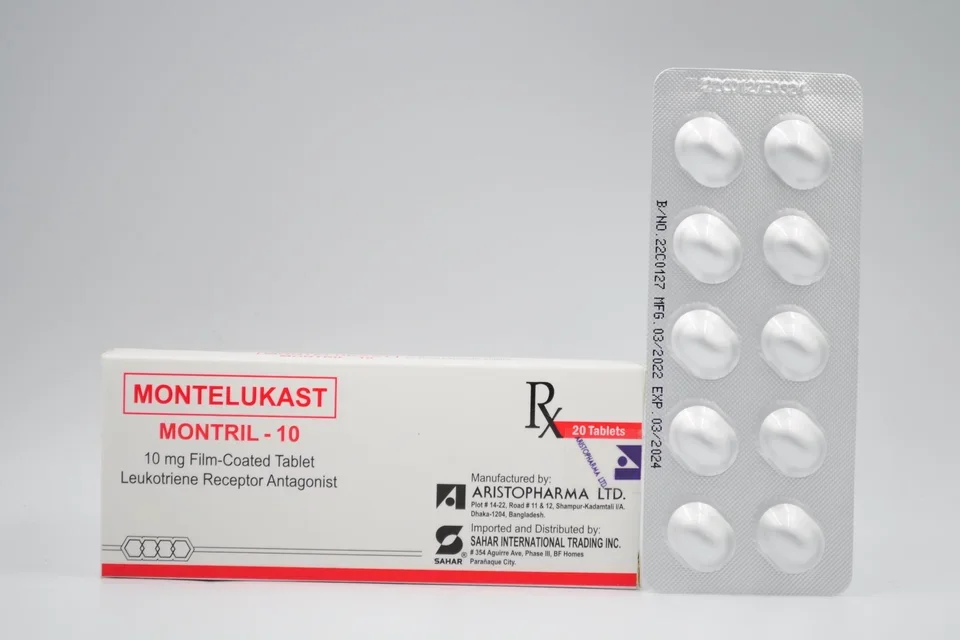
Changes in the Use of Montelukast for Asthma After a US Food and Drug Administration Boxed Warning
Shanmugam H, Kesselheim AS, Liu ITT, Feldman WB, Rome BN | May 1, 2026
After the FDA added a boxed warning to montelukast in 2020 citing serious neuropsychiatric risks, the authors examined whether prescribing patterns changed in the years that followed. The findings characterize the real-world impact of the warning on montelukast utilization, with implications for how boxed warnings influence clinical practice in asthma.
Clinical Infectious Diseases

Ethical Considerations in the Use of Indwelling Lines in Persons Who Use Injection Drugs
Green AS, Feldman WB, Solomon DA | April 28, 2026
The use of long-term indwelling intravenous lines in patients who inject drugs raises difficult ethical questions about patient autonomy, harm reduction, and clinical responsibility. The authors outline a framework for clinicians navigating these decisions, arguing that ethical care requires engaging patients as partners rather than defaulting to refusal.
Blood

Global access to commercial CAR T-cell therapies: a cross-sectional study of health technology assessment across the G20 countries
Ge AY, Feldman WB, Kaiser MF, Rejeski K, et al. | April 2, 2026
Access to commercially approved CAR-T therapies varies dramatically across G20 nations, with most lower-income members lacking any coverage pathway despite formal regulatory approvals. Health technology assessment frameworks are a central determinant of access, and their absence or restrictiveness creates large international inequities in cancer care.
JAMA Internal Medicine

Comparative Effectiveness and Safety of LAMA-LABA Inhalers in Chronic Obstructive Pulmonary Disease
Portela GT, Wang SV, Suissa S, Feldman WB | April 1, 2026
A propensity-matched cohort study identified meaningful differences in exacerbation rates across available LAMA-LABA combination inhalers in routine clinical practice. The results provide real-world evidence to guide inhaler selection in the absence of head-to-head randomized trials.
Joint Commission Journal on Quality and Patient Safety

Healthcare Ethics Is a Key Underrecognized Step on the Road to High Reliability
Semler LR, Feldman WB | May 2026
High-reliability organizations in healthcare have focused heavily on operational and safety systems, but the authors argue that ethics infrastructure—including robust ethics consultation and a culture of moral accountability—is an equally essential and underinvested component. Integrating ethics into high-reliability frameworks could improve both patient care and institutional trustworthiness.
JAMA Network Open
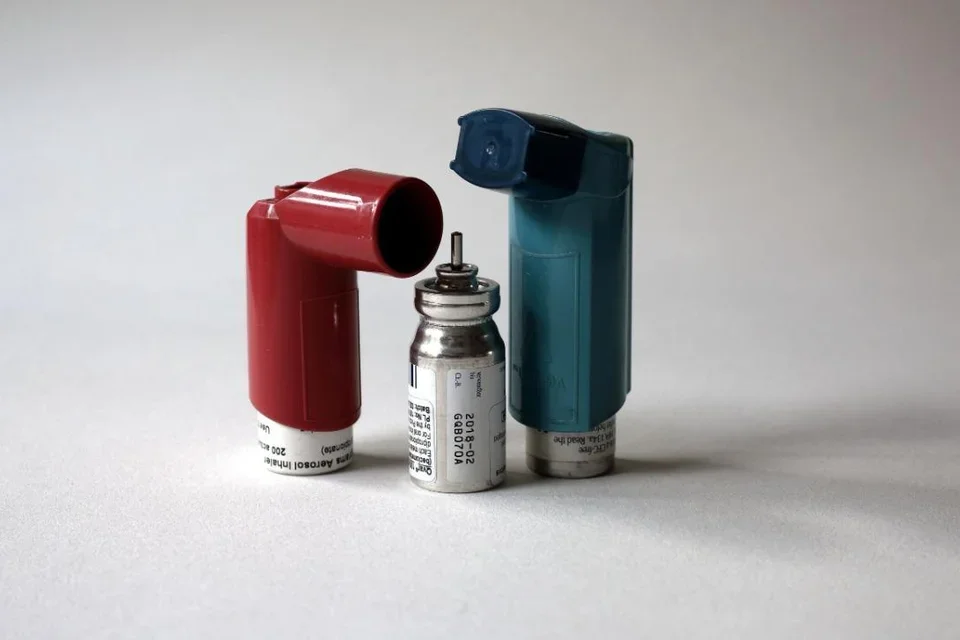
Fluticasone- vs Budesonide-Based Dual Therapy for COPD
Feldman WB, Ambati VL, Suissa S, Kesselheim AS, Avorn J, Schneeweiss S, Wang SV | March 2, 2026
In a large propensity-matched cohort of new ICS-LABA users with COPD, once-daily fluticasone furoate–vilanterol was associated with 6–9% fewer exacerbations than twice-daily alternatives, with no increase in pneumonia hospitalization. Because it is also a dry powder device with a lower carbon footprint, the findings support both clinical and environmental reasons to favor it.
Health Affairs
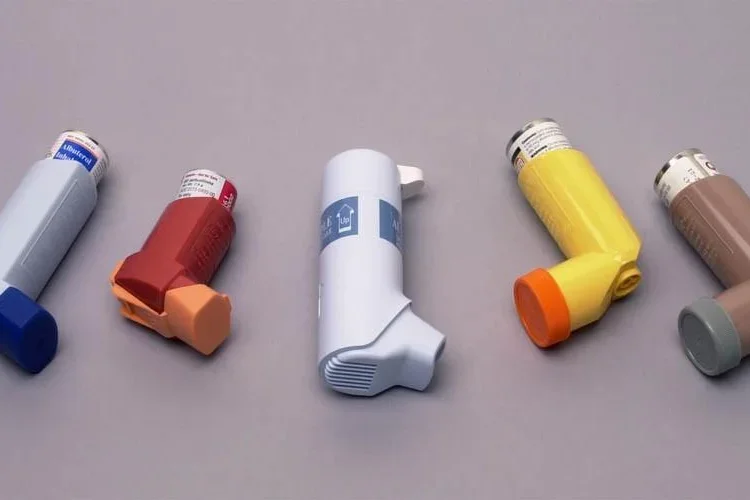
List Price Reductions Among Brand-Name ICS-LABA Inhalers In 2024 Were Associated With Increased Generic Uptake
Han J, Wang SV, Kesselheim AS, Avorn J, Feldman WB | March 2, 2026
When brand-name ICS-LABA manufacturers voluntarily cut list prices in 2024, generic inhaler uptake rose—suggesting that lower brand prices may paradoxically reduce the market for generics. The findings complicate the assumption that voluntary price cuts and generic competition work in concert to lower costs for patients.
JCI Insight
Multi-trait polygenic scores for COPD and COPD exacerbations implicate druggable proteins
Zhang C, Konigsberg IR, He Y, Feldman WB, et al. | April 8, 2026
Combining multi-trait polygenic scores for COPD with proteomic data and Mendelian randomization, the authors identified several druggable proteins that appear to causally influence exacerbation risk. The findings point toward new therapeutic targets and a framework for using genetic data to prioritize drug development in COPD.
Open Forum Infectious Diseases

Physician Antibiotic Prescribing Preferences in Community Acquired Pneumonia and Complicated Urinary Tract Infections: A National Discrete Choice Experiment
Hong D, Kesselheim AS, Metlay JP, Powers JH, Morlock R, Feldman WB | January 20, 2026
A national discrete choice experiment found that US physicians weigh efficacy and safety profiles most heavily when choosing antibiotics for pneumonia and complicated UTIs. Understanding these trade-offs is important for designing antibiotics likely to gain clinical adoption and for targeting stewardship efforts.
JAMA Health Forum

Tertiary Patents on Drugs Approved by the FDA
Teng TW, Tu SS, Mooney H, Bendicksen L, Gabriele SME, Wouters OJ, Feldman WB | January 2, 2026
Reviewing every patent in the FDA's Orange Book for drug-device combinations approved from 1986 to 2023, the authors found that 54% were tertiary patents covering delivery devices rather than active ingredients, often extending market exclusivity by decades beyond what primary patents provide. These patents are now under judicial and regulatory scrutiny as a potential barrier to generic competition.
Annals of Internal Medicine
The Pharmaceutical Industry's Quiet Win in the One Big Beautiful Bill Act
Bucha S, Martin MJ, Feldman WB | December 30, 2025
The One Big Beautiful Bill Act contained provisions limiting the scope of Medicare drug price negotiation under the Inflation Reduction Act—a significant legislative win for the pharmaceutical industry that received little public attention. The authors argue these changes deserve scrutiny given their potential to undermine savings for patients and taxpayers.
JAMA

Inhaler-Related Greenhouse Gas Emissions in the US: A Serial Cross-Sectional Analysis
Feldman WB, Han J, Raymakers AJN, Furie GL, Chesebro BB | November 11, 2025
Over 1.6 billion inhalers dispensed in the US between 2014 and 2024 generated nearly 25 million metric tons of greenhouse gas emissions—a 24% increase—with metered-dose inhalers responsible for 98% of the total and an estimated social cost of $5.7 billion. Shifting prescribing toward dry powder and soft mist alternatives could substantially reduce the environmental burden without compromising patient care.
Health Affairs Scholar

Health Affairs Scholar expands its reach with fast-tracked peer review and new article formats to meet today's needs
Feldman WB, Phillips KA, Metz DE | November 2025
Health Affairs Scholar is broadening its scope and introducing fast-tracked peer review and new article formats to accelerate publication of timely health policy research. The changes are designed to close the gap between when evidence is produced and when it can inform policy.
JAMA Health Forum

Revenue Differences Between Top-Selling Small-Molecule Drugs and Biologics in Medicare
Vogel M, Feldman WB, Cowan Z, Rome BN, Chandra A, Kesselheim AS, Wouters OJ | October 3, 2025
Top-selling biologics generate far more Medicare revenue than comparably ranked small-molecule drugs, reflecting higher prices and stronger legal protections rather than greater innovation. These differences raise questions about whether the IRA's differential treatment of biologics and small molecules is well-calibrated.
JAMA Network Open

Critical Care Physicians' Perspectives on Nudging in Communication
Soled DR, Cummings CL, Berbert LM, Williams DN, Feldman WB, Truog RD, Rubin EB | September 2, 2025
Critical care physicians expressed significant discomfort with nudging in conversations with patients and families, even when the nudge aligned with their own recommendation, citing concerns about autonomy. The findings suggest behavioral interventions in ICU settings require careful ethical design and physician buy-in.
American Journal of Respiratory and Critical Care Medicine
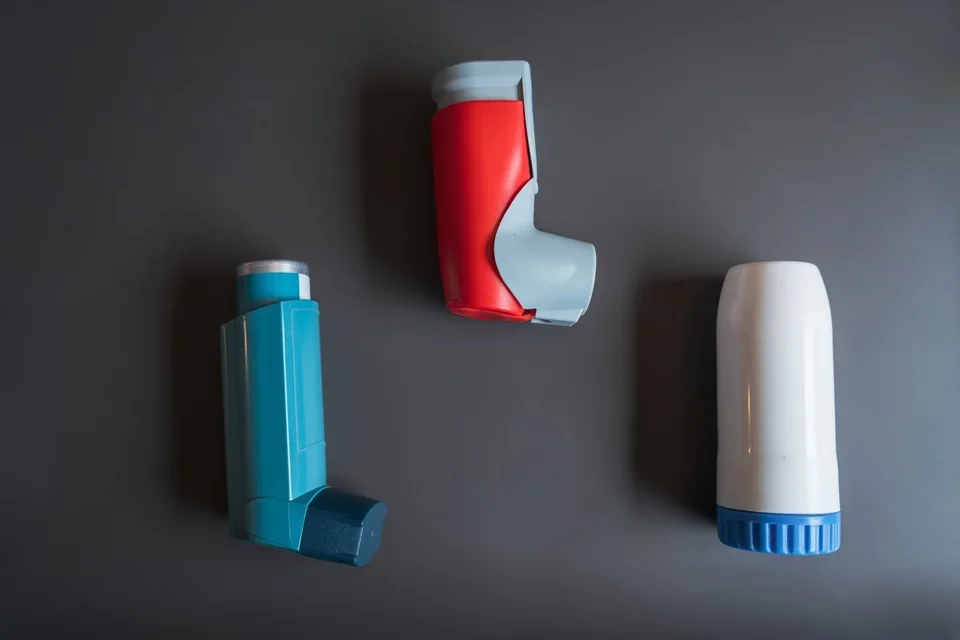
Association between Industry Payments and Prescription of Inhaled Medications
Nadeem H, Donovan LM, Feemster LC, Au DH, Feldman WB, Duan KI | June 2025
Physicians who received payments from inhaler manufacturers were more likely to prescribe brand-name inhaled medications, suggesting financial conflicts of interest influence prescribing in respiratory medicine. The findings underscore the need for greater transparency and stewardship around industry relationships.
Journal of Health Politics, Policy and Law

Does Policy Uncertainty Boost Vaccine Hesitancy? Political Controversy, the FDA, and COVID-19 Vaccine Hesitancy in Fall 2020
Carpenter D, Dardet ME, Bhaskar A, Rand LZ, Feldman WB, Kesselheim AS | June 1, 2025
Political controversy surrounding the FDA's emergency use authorization process in fall 2020 was associated with increased COVID-19 vaccine hesitancy, particularly among politically engaged respondents. The findings suggest that when regulatory decisions become partisan flashpoints, public trust in vaccines can erode rapidly.
PLOS Medicine
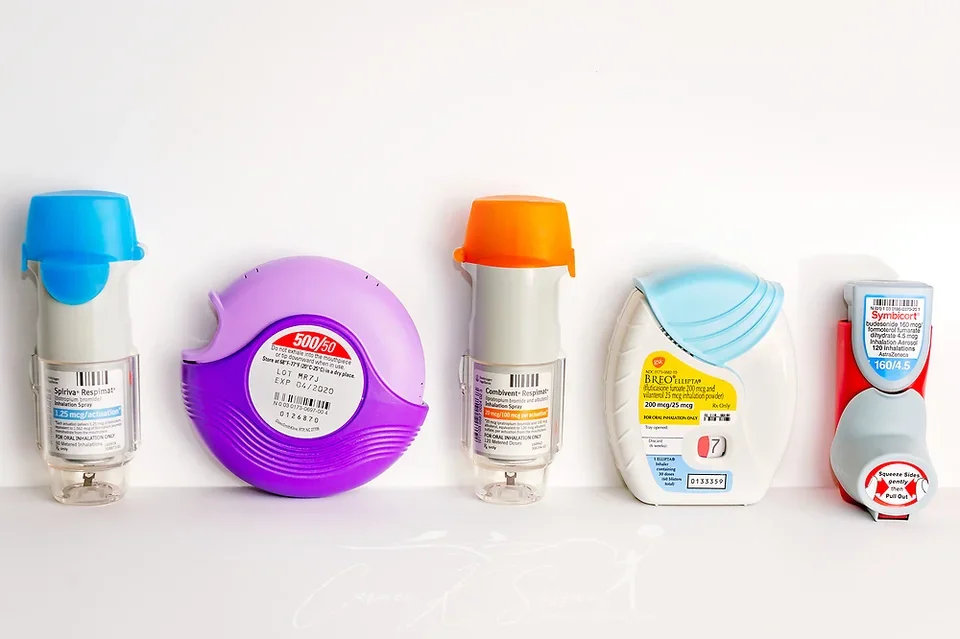
The comparative effectiveness and safety of fluticasone-salmeterol via metered-dose versus dry powder inhalers for COPD
Demkowicz BJ, Rader K, Wang SV, Kesselheim AS, Feldman WB | May 2025
Patients with COPD initiating fluticasone-salmeterol via metered-dose inhaler had similar rates of exacerbations and pneumonia hospitalizations as those using the dry powder formulation. The clinical equivalence supports policies encouraging a shift to lower-emission dry powder devices.
American Journal of Epidemiology

Emulating randomized trials by observational database studies: the RCT-DUPLICATE initiative in COPD and asthma
Suissa S, Schneeweiss S, Feldman WB, Tesfaye H, Wang SV | May 7, 2025
Observational database analyses emulating randomized trials in COPD and asthma produced effect estimates broadly consistent with the corresponding RCT results. The findings reinforce that well-designed observational studies can reliably complement trial data when head-to-head randomized evidence is unavailable.
Chest

Trends in Medicare Spending on Drugs for Pulmonary Arterial Hypertension, 2012–2022
Shih JA, Lee C, Feldman WB | October 2025
Medicare spending on pulmonary arterial hypertension drugs more than doubled over the decade, driven by price increases and growing utilization concentrated among a small number of high-cost agents. The findings highlight PAH as an area where pricing reforms could generate significant savings.
Journal of Law and Medical Ethics
Patent Thickets and Product Hops: Challenges and Opportunities for Legislative Reform
Feldman WB | April 8, 2025
Patent thickets and product hops are among the most effective tools manufacturers use to extend pharmaceutical market exclusivity well beyond what Congress intended. The author reviews legislative reform options—including changes to Orange Book listing rules—that could curtail these practices.
JAMA Internal Medicine
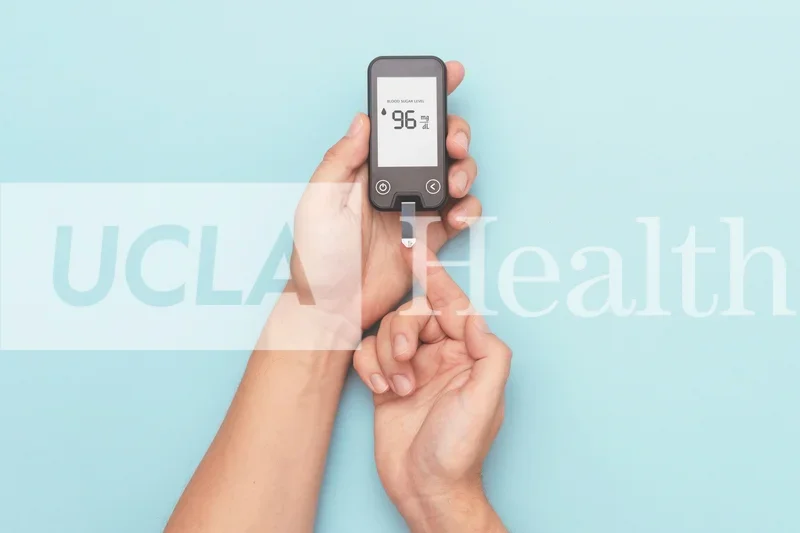
Glucose-Lowering Medications and Risk of Chronic Obstructive Pulmonary Disease Exacerbations in Patients With Type 2 Diabetes
Ray A, Paik JM, Wexler DJ, Sreedhara SK, Bykov K, Feldman WB, Patorno E | April 1, 2025
Among patients with type 2 diabetes and COPD, those initiating GLP-1 receptor agonists had lower rates of COPD exacerbations than those starting other glucose-lowering drug classes. The finding suggests a potential respiratory benefit of GLP-1 agonists beyond glycemic control that warrants prospective study.
Health Services Research

Expansion of 340B Disproportionate Share Hospitals in the United States From 2010 to 2022
Liu BY, Russo M, Kesselheim AS, Knox R, Sarpatwari A, Feldman WB | March 14, 2025
The number of disproportionate share hospitals in the 340B program more than doubled between 2010 and 2022, with much of the growth occurring among larger systems rather than traditional safety-net providers. The expansion raises questions about whether the program's benefits are reaching their intended beneficiaries.
BMJ
Active postmarketing device surveillance as a legislative priority
Feldman WB, Kesselheim AS | March 12, 2025
Current postmarketing surveillance for medical devices relies on passive reporting, which systematically undercounts adverse events and delays safety signals. The authors argue for legislation to mandate active, systematic surveillance analogous to what has been developed for pharmaceuticals.
BMJ

Real-world evidence is a vital tool for informing treatment strategies in chronic obstructive pulmonary disease
Feldman WB, Wang SV, Kesselheim AS | March 3, 2025
Randomized trials cannot answer the full range of treatment questions in COPD, where many comparisons have never been tested head-to-head. The authors argue that methodological advances in observational research now allow real-world evidence to reliably complement trial data and should be more fully integrated into guidelines.
JAMA Internal Medicine
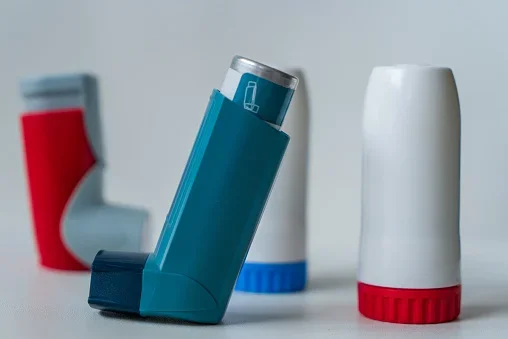
Out-of-Pocket Savings Under the Inhaler Price Cap
Mein SA, Kludze AK, Feldman WB, Tale AP, Stevens JP, Wadhera RK | March 1, 2025
Nearly 40% of privately insured or uninsured patients prescribed a capped inhaler were spending more than $35 per month out-of-pocket, with projected total annual savings of nearly $500 million under the 2024 voluntary price cap. Given the strong link between inhaler costs and nonadherence, the cap could meaningfully improve adherence and clinical outcomes.
New England Journal of Medicine

The Moral Injury of Inhaler Prescribing
Feldman WB, Furie G | February 27, 2025
Physicians who prescribe inhalers frequently know their patients cannot afford them but have few good alternatives—a situation the authors frame as moral injury inflicted by a system that places clinicians in an untenable position. The essay calls for systemic reforms to inhaler pricing rather than continued reliance on individual workarounds.
Journal of Cancer Policy

An empirical investigation into concerns over quality-adjusted life-years: A review of cost-effectiveness analyses in oncology
Raymakers AJN, Rand LZ, Feldman WB, Kesselheim AS | March 2025
A systematic review found that most oncology cost-effectiveness analyses do not address the leading methodological criticisms of QALYs, despite the growing policy debate around their use. The authors conclude that improving QALY methodology is more productive than abandoning it.
Journal of General Internal Medicine

National Survey of Factors Associated with Physician Antibiotic Prescribing Preferences
Hong D, Kesselheim AS, Morlock R, Metlay JP, Powers JH, Feldman WB | March 2025
A national survey found that US physician antibiotic preferences are shaped by efficacy, tolerability, and resistance patterns, but also by limited awareness of newer options. The results have practical implications for stewardship programs and for understanding barriers to novel antibiotic uptake.
Journal of General Internal Medicine
Vaccine Messaging by the FDA: A National Randomized Survey Study
Feldman WB, Rand LZ, Carpenter D, Campbell EG, Darrow JJ, Kesselheim AS | March 2025
In a randomized national survey, FDA vaccine messaging that emphasized scientific rigor was more effective at building trust and vaccination intent than messaging that emphasized speed of authorization—especially among vaccine-hesitant respondents. The findings have direct implications for how the FDA should communicate during future vaccine rollouts.
Archive
2024
Feldman, W. B., Suissa, S., Kesselheim, A. S., Avorn, J., Russo, M., Schneeweiss, S., & Wang, S. V. (2024). Comparative effectiveness and safety of single inhaler triple therapies for chronic obstructive pulmonary disease: New user cohort study. BMJ, 387, e080409.
Wouters, O. J., Vogel, M., Feldman, W. B., Beall, R. F., Kesselheim, A. S., & Tu, S. S. (2024). Differential legal protections for biologics vs small-molecule drugs in the US. JAMA, 332(24), 2101–2108.
Syversen, I. D., Schulman, K., Kesselheim, A. S., & Feldman, W. B. (2024). A comparative analysis of international drug price negotiation frameworks: An interview study of key stakeholders. Milbank Quarterly, 102(4), 1004–1031.
Raymakers, A. J. N., Kesselheim, A. S., & Feldman, W. B. (2024). Estimating costs in beremagene geperpavec for dystrophic epidermolysis bullosa—Reply. JAMA Dermatology, 160(11), 1255.
Stoelinga, J., Bloem, L. T., Russo, M., Kesselheim, A. S., & Feldman, W. B. (2024). Comparing supplemental indications for cancer drugs approved in the US and EU. European Journal of Cancer, 212, 114330.
Rome, B. N., Kesselheim, A. S., & Feldman, W. B. (2024). Medicare’s first round of drug-price negotiation—Measuring success. New England Journal of Medicine, 391(20), 1865–1868.
Chaitoff, A., Bendicksen, L., Feldman, W. B., Zheutlin, A. R., & Lalani, H. S. (2024). Estimating new eligibility and maximum costs of expanded Medicare coverage of semaglutide for cardiovascular risk prevention. Annals of Internal Medicine, 177(10), 1440–1442.
Bendicksen, L., Kesselheim, A. S., & Feldman, W. B. (2024). Seeking a better paper trail of federal research funding. JAMA, 332(13), 1049–1050.
Liu, I. T. T., Wang, J., Sarpatwari, A., Kesselheim, A. S., & Feldman, W. B. (2024). Commercial markups on pediatric oncology drugs at 340B pediatric hospitals. Pediatric Blood & Cancer, 71(9), e31158.
Feder, N. M., Hernandez, I., Feldman, W. B., Murali, M., Kesselheim, A. S., Elmunzer, B. J., & Gellad, W. F. (2024). Price and variability in hospital charges for generic indomethacin suppositories. JAMA Network Open, 7(9), e2435528.
Anand, P., D’Andrea, E., Feldman, W., Wang, S. V., Liu, J., Brill, G., DiCesare, E., & Lin, K. J. (2024). A dynamic prognostic model for identifying vulnerable COVID-19 patients at high risk of rapid deterioration. Pharmacoepidemiology and Drug Safety, 33(8), e5872.
Feldman, W. B., Rand, L. Z., Carpenter, D., Russo, M., Bhaskar, A., Lu, Z., Campbell, E. G., Darrow, J., & Kesselheim, A. S. (2024). Trust in the Food and Drug Administration: A national survey study. Clinical Pharmacology & Therapeutics, 116(2), 408–414.
Tu, S. S., & Feldman, W. B. (2024). Use of Track One prioritized examination for pharmaceutical patents. JAMA Health Forum, 5(7), e241886.
Feldman, W. B., Mahesri, M., Sarpatwari, A., et al. (2024). Removing the FDA’s boxed hepatotoxicity warning and liver function testing requirement for ambrisentan. JAMA Network Open, 7(7), e2419873.
Vogel, M., Rome, B. N., Kesselheim, A. S., & Feldman, W. B. (2024). Medicare negotiation’s drug reformulation problem. Annals of Internal Medicine, 177(6), 817–819.
Alhiary, R., Gabriele, S., Kesselheim, A. S., Tu, S. S., & Feldman, W. B. (2024). Delivery device patents on GLP-1 receptor agonists. JAMA, 331(9), 794–796.
Raymakers, A. J. N., Kesselheim, A. S., Mostaghimi, A., & Feldman, W. B. (2024). Estimated spending on beremagene geperpavec for dystrophic epidermolysis bullosa. JAMA Dermatology, 160(3), 297–302.
Rand, L. Z., Carpenter, D. P., Kesselheim, A. S., Bhaskar, A., Darrow, J. J., & Feldman, W. B. (2024). Reply. Hastings Center Report, 54(2), 44–45.
Tu, S. S., Goode, R., & Feldman, W. B. (2024). Biologic patent thickets and terminal disclaimers. JAMA, 331(4), 355–357.
Vogel, M., Zhao, O., Feldman, W. B., Chandra, A., Kesselheim, A. S., & Rome, B. N. (2024). Cost of exempting sole orphan drugs from Medicare negotiation. JAMA Internal Medicine, 184(1), 63–69.
Feldman, W. B., Kesselheim, A. S., Avorn, J., Russo, M., & Wang, S. V. (2024). Comparative effectiveness and safety of generic versus brand-name fluticasone-salmeterol to treat chronic obstructive pulmonary disease. Annals of Internal Medicine, 177(1), eL230429.
2023
Goode, R., Feldman, W. B., & Tu, S. S. (2023). Ancillary product patents to extend biologic patent life. JAMA, 330(21), 2117–2119.
Olsen, A., Beall, R. F., Knox, R. P., Tu, S. S., Kesselheim, A. S., & Feldman, W. B. (2023). Patents and regulatory exclusivities on FDA-approved insulin products: A longitudinal database study, 1986–2019. PLOS Medicine, 20(11), e1004309.
Knox, R. P., Wang, J., Feldman, W. B., Kesselheim, A. S., & Sarpatwari, A. (2023). Outcomes of the 340B Drug Pricing Program: A scoping review. JAMA Health Forum, 4(11), e233716.
Vogel, M., Kesselheim, A. S., Feldman, W. B., & Rome, B. N. (2023). Will Medicare price negotiation delay cancer-drug launches? New England Journal of Medicine, 389(17), 1546–1548.
Gabriele, S. M. E., & Feldman, W. B. (2023). The problem of limited-supply agreements for Medicare price negotiation. JAMA, 330(13), 1223–1224.
Rand, L. Z., Carpenter, D. P., Kesselheim, A. S., Bhaskar, A., Darrow, J. J., & Feldman, W. B. (2023). Securing the trustworthiness of the FDA to build public trust in vaccines. Hastings Center Report, 53(Suppl. 2), S60–S68.
Cliff, E. R. S., Kesselheim, A. S., & Feldman, W. B. (2023). Ensuring ethical postprogression therapy for patients in randomized trial control arms. Journal of Clinical Oncology, 41(24), 3984–3987.
Alhiary, R., Kesselheim, A. S., Gabriele, S., Beall, R. F., Tu, S. S., & Feldman, W. B. (2023). Patents and regulatory exclusivities on GLP-1 receptor agonists. JAMA, 330(7), 650–657.
Feldman, W. B., Kesselheim, A. S., Avorn, J., Russo, M., & Wang, S. V. (2023). Comparative effectiveness and safety of generic versus brand-name fluticasone-salmeterol to treat chronic obstructive pulmonary disease. Annals of Internal Medicine, 176(8), 1047–1056.
Tu, S. S., Kesselheim, A. S., Wetherbee, K., & Feldman, W. B. (2023). Changes in the number of continuation patents on drugs approved by the FDA. JAMA, 330(5), 469–470.
Demkowicz, B. J., Tu, S. S., Kesselheim, A. S., Carrier, M. A., & Feldman, W. B. (2023). Patenting strategies on inhaler delivery devices. Chest, 164(2), 450–460.
Feldman, W. B., Avorn, J., Kesselheim, A. S., & Gagne, J. J. (2023). Chronic obstructive pulmonary disease exacerbations and pneumonia hospitalizations among new users of combination maintenance inhalers. JAMA Internal Medicine, 183(7), 685–695.
Feldman, W. B., & Rome, B. N. (2023). The rise and fall of the insulin pricing bubble. JAMA Network Open, 6(6), e2318074.
Cliff, E. R. S., Kelkar, A. H., Russler-Germain, D. A., Tessema, F. A., Raymakers, A. J. N., Feldman, W. B., & Kesselheim, A. S. (2023). High cost of chimeric antigen receptor T-cells: Challenges and solutions. ASCO Educational Book, 43, e397912.
Wang, S. V., Schneeweiss, S., RCT-DUPLICATE Initiative, & Feldman, W. (2023). Emulation of randomized clinical trials with nonrandomized database analyses: Results of 32 clinical trials. JAMA, 329(16), 1376–1385.
Cliff, E. R. S., Kesselheim, A. S., Rome, B. N., & Feldman, W. B. (2023). Trends in Medicare spending on oral drugs for chronic lymphocytic leukemia from 2014 to 2020. JAMA Network Open, 6(4), e237467.
Reddy, S., Beall, R. F., Tu, S. S., Kesselheim, A. S., & Feldman, W. B. (2023). Patent challenges and litigation on inhalers for asthma and COPD. Health Affairs, 42(3), 398–406.
Rome, B. N., Nagar, S., Egilman, A. C., Wang, J., Feldman, W. B., & Kesselheim, A. S. (2023). Simulated Medicare drug price negotiation under the Inflation Reduction Act of 2022. JAMA Health Forum, 4(1), e225218.
Feldman, W. B., Tu, S. S., Alhiary, R., Kesselheim, A. S., & Wouters, O. J. (2023). Manufacturer revenue on inhalers after expiration of primary patents, 2000–2021. JAMA, 329(1), 87–89.
2022
Wouters, O. J., Feldman, W. B., & Tu, S. S. (2022). Product hopping in the drug industry—Lessons from albuterol. New England Journal of Medicine, 387(13), 1153–1156.
Feldman, W. B., Bloomfield, D., Beall, R. F., & Kesselheim, A. S. (2022). Brand-name market exclusivity for nebulizer therapy to treat asthma and COPD. Nature Biotechnology, 40(9), 1319–1325.
Oseran, A. S., Ati, S., Feldman, W. B., Gondi, S., Yeh, R. W., & Wadhera, R. K. (2022). Assessment of prices for cardiovascular tests and procedures at top-ranked US hospitals. JAMA Internal Medicine, 182(9), 996–999.
Lin, K. J., Feldman, W. B., Wang, S. V., et al. (2022). Gastrointestinal prophylaxis for COVID-19: An illustration of severe bias arising from inappropriate comparators in observational studies. Journal of Clinical Epidemiology, 151, 45–52.
Dhamanaskar, R., Feldman, W. B., & Merz, J. F. (2022). Practicalities of impracticability: An interim review of randomized controlled trials. Journal of Empirical Research on Human Research Ethics, 17(3), 329–345.
Feldman, W. B., Avorn, J., & Kesselheim, A. S. (2022). Over-the-counter availability of rescue inhalers for asthma—Reply. JAMA, 328(2), 216–217.
Feldman, W. B., Bloomfield, D., Beall, R. F., & Kesselheim, A. S. (2022). Patents and regulatory exclusivities on inhalers for asthma and COPD, 1986–2020. Health Affairs, 41(6), 787–796.
Naci, H., Kyriopoulos, I., Feldman, W. B., Hwang, T. J., Kesselheim, A. S., & Chandra, A. (2022). Coverage of new drugs in Medicare Part D. Milbank Quarterly, 100(2), 562–588.
Feldman, W. B., Avorn, J., & Kesselheim, A. S. (2022). Switching to over-the-counter availability of rescue inhalers for asthma. JAMA, 327(11), 1021–1022.
Van de Wiele, V. L., Hammer, M., Parikh, R., Feldman, W. B., Sarpatwari, A., & Kesselheim, A. S. (2022). Competition law and pricing among biologic drugs: The case of VEGF therapy for retinal diseases. Journal of Law and the Biosciences, 9(1), lsac001.
Frank, R. G., Shahzad, M., Kesselheim, A. S., & Feldman, W. (2022). Biosimilar competition: Early learning. Health Economics, 31(4), 647–663.
Feldman, W. B., Rome, B. N., Brown, B. L., & Kesselheim, A. S. (2022). Payer-specific negotiated prices for prescription drugs at top-performing US hospitals. JAMA Internal Medicine, 182(1), 83–86.
2021
Rome, B. N., Feldman, W. B., & Kesselheim, A. S. (2021). Medicare spending on drugs with accelerated approval, 2015–2019. JAMA Health Forum, 2(12), e213937.
Panda, N., Bahdila, D., Abdullah, A., Ghosh, A. J., Lee, S. Y., & Feldman, W. B. (2021). Association between USMLE Step 1 scores and in-training examination performance: A meta-analysis. Academic Medicine, 96(12), 1742–1754.
Rome, B. N., Feldman, W. B., Fischer, M. A., Desai, R. J., & Avorn, J. (2021). Influenza vaccine uptake in the year after concurrent vs separate influenza and zoster immunization. JAMA Network Open, 4(11), e2135362.
Jezmir, J. L., Bharadwaj, M., Chaitoff, A., et al., Feldman, W. B., & Kim, E. Y. (2021). Performance of crisis standards of care guidelines in a cohort of critically ill COVID-19 patients in the United States. Cell Reports Medicine, 2(9), 100376.
Sarpatwari, A., Mitra-Majumdar, M., Bykov, K., et al., Feldman, W. B., & Kesselheim, A. S. (2021). A multi-modal approach to evaluate the impact of risk evaluation and mitigation strategy (REMS) programs. Drug Safety, 44(7), 743–751.
Bharadwaj, M., Jezmir, J. L., Kishore, S. P., et al., Feldman, W. B., & Kim, E. Y. (2021). Empirical assessment of U.S. coronavirus disease 2019 crisis standards of care guidelines. Critical Care Explorations, 3(7), e0496.
Feldman, W. B., Rome, B. N., Raimond, V. C., Gagne, J. J., & Kesselheim, A. S. (2021). Estimating rebates and other discounts received by Medicare Part D. JAMA Health Forum, 2(6), e210626.
Rome, B. N., Feldman, W. B., Desai, R. J., & Kesselheim, A. S. (2021). Correlation between changes in brand-name drug prices and patient out-of-pocket costs. JAMA Network Open, 4(5), e218816.
Raimond, V. C., Feldman, W. B., Rome, B. N., & Kesselheim, A. S. (2021). Why France spends less than the United States on drugs: A comparative study of drug pricing and pricing regulation. Milbank Quarterly, 99(1), 240–272.
Feldman, W. B., Gagne, J. J., & Kesselheim, A. S. (2021). Trends in Medicare Part D inhaler spending: 2012–2018. Annals of the American Thoracic Society, 18(3), 548–550.
Feldman, W. B., Rome, B. N., Avorn, J., & Kesselheim, A. S. (2021). The future of drug-pricing transparency. New England Journal of Medicine, 384(6), 489–491.
2020
Liu, M., MacKenna, B., Feldman, W. B., Walker, A. J., Avorn, J., Kesselheim, A. S., & Goldacre, B. (2020). Projected spending for brand-name drugs in English primary care given US prices: A cross-sectional study. Journal of the Royal Society of Medicine, 113(9), 350–359.
Rome, B. N., Feldman, W. B., & Kesselheim, A. S. (2020). Drug prices, rebates, and discounts. JAMA, 324(4), 399.
Jezmir, J. L., Bharadwaj, M., Kishore, S. P., Winkler, M., Diephuis, B., Kim, E. Y., & Feldman, W. B. (2020). Empirical assessment of COVID-19 crisis standards of care guidelines. medRxiv.
Feldman, W. B., Rome, B. N., Lehmann, L. S., & Kesselheim, A. S. (2020). Estimation of Medicare Part D spending on insulin for patients with diabetes using negotiated prices and a defined formulary. JAMA Internal Medicine, 180(4), 597–601.
Feldman, W. B., Avorn, J., & Kesselheim, A. S. (2020). Potential Medicare savings on inhaler prescriptions through the use of negotiated prices and a defined formulary. JAMA Internal Medicine, 180(3), 454–456.
2019
Feldman, W. B., & Keller, S. P. (2019). When is the right time to discuss ECMO? Lancet Respiratory Medicine, 7(11), 939–940.
Feldman, W. B., Hey, S. P., Franklin, J. M., & Kesselheim, A. S. (2019). Public approval of exception from informed consent in emergency clinical trials: A systematic review of community consultation surveys. JAMA Network Open, 2(7), e197591.
Hey, S. P., Feldman, W. B., Jung, E. H., D’Andrea, E., & Kesselheim, A. S. (2019). Surrogate endpoints and drug regulation: What is needed to clarify the evidence. Journal of Law and Medical Ethics, 47(3), 381–387.
2018
Feldman, W. B., Hey, S. P., & Kesselheim, A. S. (2018). A systematic review of the Food and Drug Administration’s “exception from informed consent” pathway. Health Affairs, 37(10), 1605–1614.
2017
Feldman, W. B., Chiong, W., & Kim, S. Y. H. (2017). Head positioning in acute stroke. New England Journal of Medicine, 377(11), 1101–1102.
Feldman, W. B., Kim, A. S., & Chiong, W. (2017). Response by Feldman et al to letter regarding article, “Trends in recruitment rates for acute stroke trials, 1990–2014.” Stroke, 48(6), e145.
Feldman, W. B., Kim, A. S., & Chiong, W. (2017). Trends in recruitment rates for acute stroke trials, 1990–2014. Stroke, 48(3), 799–801.
2016
Feldman, W. B., Kim, A. S., Josephson, S. A., Lowenstein, D. H., & Chiong, W. (2016). Effect of waivers of consent on recruitment in acute stroke trials: A systematic review. Neurology, 86(16), 1543–1551.
2015
Feldman, W., & Dhaliwal, G. (2015). When professors don’t return essays. Teaching and Learning in Medicine, 27(4), 431–434.
Feldman, W. B., Besterman, A. D., Yu, J. P., Devido, J. J., & Bourgeois, J. A. (2015). Persistent perceptual disturbances after lithium toxicity: A case report and discussion. Psychosomatics, 56(3), 306–310.
2013
Feldman, W. B., Clark, A. J., Safaee, M., Ames, C. P., & Parsa, A. T. (2013). Tumor control after surgery for spinal myxopapillary ependymomas: Distinct outcomes in adults versus children: A systematic review. Journal of Neurosurgery: Spine, 19(4), 471–476.